


Beacon Productions • Northeast Ohio • Training Video Production
Training Video Production That Improves Consistency
Training video production helps teams perform the same task the same way—whether they’re onboarding, learning a setup procedure, or reinforcing safety and quality standards. Great training videos reduce rework, shorten ramp time, and make your best process repeatable.
Need broader context first? See Why Have a Video? or the Video Production Portfolio (Gallery).
Why training video production works (for onboarding, safety, and setup)
Teams struggle when training depends on memory, tribal knowledge, or “who happens to be on shift.” Strong training video production turns your best process into a repeatable asset: same steps, same language, same quality standard every time. That means fewer interpretation gaps, fewer missed steps, and better performance across locations, crews, and experience levels.
Training videos also scale expert knowledge. Instead of asking your best technician, trainer, or supervisor to repeat the same explanation all week, you capture it once—clearly—and use it everywhere: onboarding, refresher training, field service prep, safety reinforcement, and customer support education.
Video marketers report creating training videos as a common use case.
Source: Wyzowl
Video helps reduce support queries when instructions are shown clearly.
Source: Wyzowl
Employees say video training improves onboarding.
Source: Brightcove
Employees would rather watch a short video than read a long email.
Source: Brightcove
FOMO reality: If your competitors standardize training and setup with clear video modules while your team still relies on ad hoc walkthroughs, they’ll ramp faster, make fewer mistakes, and look more professional to customers.
What training videos improve in the real world
The value of training video production isn’t just “nice content.” It’s operational leverage. Your best training videos can reduce repeated coaching, improve process compliance, support quality control, and make onboarding more predictable. This is especially powerful in industrial, technical, and field-service environments, where one missed step can create rework, safety issues, equipment downtime, or unhappy customers.
Training video production ROI signals
- Ramp time: faster time-to-competency for new hires and operators.
- Consistency: fewer variations in setup, inspection, and process execution.
- Support load: fewer repeat questions for the same issue or step.
- Retention: reusable refresher modules improve recall on critical tasks.
- Risk mitigation: easier to prove what “correct procedure” looks like.
What Beacon builds into each module
- Clear sequencing: step order is visual, verbal, and repeatable.
- Close-up proof shots: exactly what the trainee should look for.
- On-screen labels/callouts: parts, warnings, tolerances, checkpoints.
- Audio clarity: instruction is easy to hear in real-world environments.
- Multi-format delivery: LMS, intranet, field tablets, QR links, and portals.
L&D leaders are also being pushed to show business impact—not just completion rates. That’s why we structure training content around measurable outcomes: fewer errors, fewer support calls, faster proficiency, and smoother handoffs between teams.
Training video types that improve adoption
Training video production types that improve consistency and reduce mistakes
The best training libraries are modular. Instead of one long video, we typically build a set of shorter assets that match how teams learn: onboarding, setup, inspection, troubleshooting, and refreshers.
Onboarding Overview
Introduce the process, equipment, terminology, and expected outcomes so new team members can orient quickly.
Setup / Procedure Tutorial
Step-by-step demonstrations for setup, calibration, startup, or inspection routines.
Safety / Critical Checks
Show the exact checkpoints, hazards, and “must-not-miss” moments before work begins.
Troubleshooting Guides
Fast “if this happens, do this” clips for service teams, operators, and support.
Micro-Refreshers
Short reminders for recurring tasks, seasonal workflows, or compliance checkpoints.
Screen + Field Hybrid
Ideal for technical products—combine software walkthroughs with real-world equipment demonstrations.
Examples from Beacon’s portfolio
Below are two training-focused examples based on your uploaded videos. Each one shows the kind of production value that turns “someone explaining” into a repeatable training asset: structured pacing, close-ups, clear instruction, and production polish that improves trust and retention.
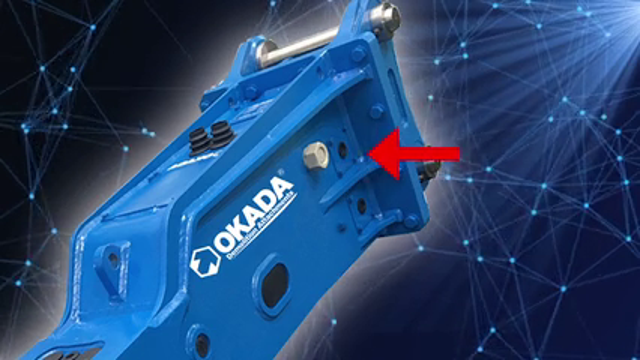
Okada Hydraulic Breaker Inspection Training Video
Value Beacon brings: This module format is excellent for equipment inspection and service training because it shows the real inspection sequence with visual proof. Beacon’s production style helps by combining close-up detail shots, clear step pacing, and polished visual transitions that make an inspection routine easier to follow and repeat in the field.
For technical training, this is the difference between “read the manual” and “see exactly what good looks like.” It’s ideal for onboarding mechanics, field service teams, and distributor training where consistency matters.
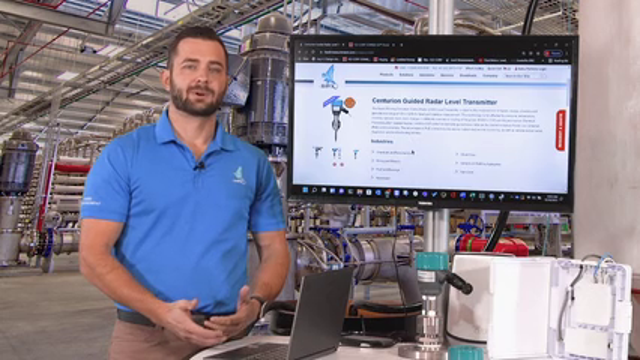
HAWK POE CGR Setup Tutorial Video
Value Beacon brings: This is a strong example of a hybrid training format—expert-led instruction paired with software/technical visuals. Beacon’s production approach makes complex setup work teachable by combining presenter guidance, screen-based context, and a paced step-by-step structure that feels credible to technical users.
For industrial and instrumentation teams, this format is powerful because it standardizes setup language across techs, dealers, and support staff—while still feeling practical and field-ready.
Our process (designed for training clarity)
Training content works best when it’s designed backward from the task. We start with the procedure, the common mistakes, and the critical checkpoints— then build the video around what a trainee must be able to do after watching. That keeps the content practical, measurable, and easier to update later.
Step 1 — Task Mapping
Define audience, skill level, success criteria, and the exact procedure to teach.
Step 2 — Script + Callouts
Build a clean sequence with warnings, part names, checkpoints, and visuals.
Step 3 — Production
Capture presenter, close-ups, real procedures, and screen footage (if needed).
Step 4 — Post + Packaging
Edit, caption, label, version, and package for LMS/intranet. See post-production services.
Deployment plan (so training actually gets used)
A great training video only creates ROI if your team can find it at the moment they need it. We recommend deploying training modules in the places where work happens: LMS platforms, internal knowledge bases, service portals, tablets, and QR-linked job aids near equipment.
Best placements
- Onboarding portals / LMS modules
- Field service tablets & support dashboards
- Internal SOP / knowledge base pages
- Dealer/distributor training portals
- QR codes at workstations or equipment
Measure what matters
- Completion + watch-through rates
- Time to competency / certification
- Error rates / rework trends
- Support call volume by issue type
- Supervisor coaching time per new hire
Ready to standardize training with video?
Beacon Productions builds training video production assets for technical teams, industrial products, and process-driven organizations. If you have a setup routine, inspection checklist, onboarding workflow, or safety process to teach, we can help you turn it into a clear video system.
FAQ
How long should a training video be?
For most teams, shorter modules work better than one long recording. Aim for 1–5 minute segments by task (setup, inspection, troubleshooting), then build a library of modules that can be assigned in sequence.
Can you film both equipment and software training?
Yes. Beacon can produce hybrid training videos that combine on-camera instruction, field footage, close-up procedures, and screen-based walkthroughs. That’s often the best format for technical systems and industrial setups.
Can training videos be updated later?
Absolutely. We recommend modular production so you can replace one step, one screen, or one policy section without redoing the full series.
How do we prove ROI on training video production?
Track watch completion, time-to-competency, reduced rework, support volume, and supervisor coaching time. The strongest ROI stories tie training video usage to productivity, quality, and risk reduction—not just views.
Sources referenced for market and training stats: Wyzowl, Training Magazine, LinkedIn, Brightcove.